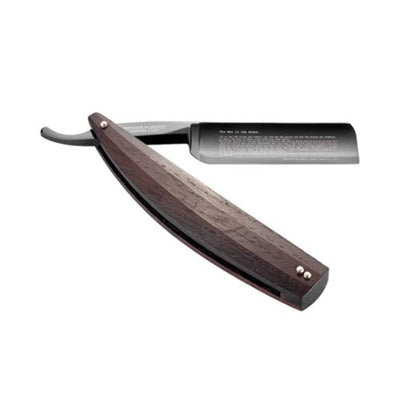
If you care about how a tool feels in the hand, how it ages, and the story behind the people who made it, you already understand what makes shaving more than a chore. Canada has a quiet but capable shaving scene, shaving store from small shops turning stainless handles on lathes to family businesses hand pouring tallow soaps in batches you can count on your fingers. The trick is knowing where to look, what to ask, and how to match a company’s strengths to your own routine.
Why buying Canadian changes the experience
When you work with a local maker or a homegrown shaving store, you usually get two things that imports rarely deliver at the same time: responsive service and informed iteration. You are not shouting into a ticketing system that routes overseas. You can often email a founder, walk into a storefront, or get a repair handled without waiting through customs. If there is a run of blades with a burr, or a soap scent that fades too quickly, a Canadian shaving company can adjust the next batch and tell you when it ships.
There is also the practical side. Shipping a razor body from Mississauga to Montreal is faster and lighter on packaging than flying it across the Atlantic. You avoid duty surprises, understand GST or HST up front, and returns involve a Canada Post label rather than a two week limbo. Most importantly, you put money into a craft ecosystem that strengthens the options you have five years from now.
A quick checklist for choosing a Canadian brand or retailer
- Look for specificity in materials and processes, not marketing language. If a razor is 316L stainless with exact tolerances, or an aftershave is alcohol free with witch hazel and aloe in listed percentages, you are in good hands. Check blade and accessory compatibility. A great DE handle that only fits proprietary heads narrows your options fast, and so does a straight that cannot take a standard width strop. Read the warranty and service detail. A lifetime warranty that explains what is covered, where to ship, and typical turnaround beats a sweeping promise with no path to resolution. Scan for transparent sourcing. Not every part needs to be Canadian, but a shaving company that tells you which plastics are recycled, who machines their heads, or where their glycerin comes from is treating you like an adult. Test communication before you buy. Send a pre sales question. You will learn more from the reply time and tone than from the product page.
Matching tools to your skin, beard, and habits
Tools are not good or bad in isolation. They shine for specific people and routines. A disposable razor is a lifesaver in a gym bag or for hospital stays, while a bronze safety razor becomes an heirloom. To narrow the field, anchor your choice to skin sensitivity, hair density, and the time you are willing to invest.
If your beard is dense and wiry, you often do better with a rigid blade support and a geometry that lets the edge meet whiskers cleanly. Many Canadian makers in the double edge space design plates with different gaps or exposure. You can start mild, learn the angles, then move to a slightly more efficient plate when your technique catches up. On the other hand, if your skin is reactive, priority number one is reducing passes and friction. Slick soaps with high stearic content, a sharp but smooth blade brand, and a razor that forgives imperfect prep tend to win.
A straight razor brings unmatched control and a meditative pace. If you are searching for straight razor canada to find a first blade, know that steel type, grind, and width change how the edge feels. A full hollow 5/8 blade dances through a three day growth if you keep it keen and stretch skin well. A quarter hollow 6/8 carries more authority on the jawline but feels heavier. The learning curve is real, and you will need a strop and occasional honing, yet the reward is a shave that adjusts to every contour because you set the pressure and angle directly.
Where to shop, and what each channel offers
Canada’s ecosystem is a mix of specialist retailers, brand run sites, and hybrid operations that do both. A dedicated shaving store often carries a spread of brands, blades, brushes, and software. Staff tend to shave the way you do and can steer you away from a mismatch. A barber supply store usually caters to professional needs first, which means bulk blades, shavettes that accept half DE blades, disinfectants, and robust alum blocks. You can still pick up a safety razor or cream, but you might not get the same depth on artisan soaps or limited batch aftershaves that hobbyists chase.
Direct from a shaving company works best when you already know the fit. It also lets you support R and D more directly and catch early runs of new plates or finishes. The trade off is that you will not compare five brush knots side by side in one cart. Many Canadian brands solve this by collaborating with retailers for try before you buy events, or by offering loaner programs and discounted seconds with minor cosmetic blemishes.
There are credible marketplaces and community buy and sell boards in Canada too. If you head this route, factor in blade life or soap usage. A safety razor holds value well because it is metal and easy to sanitize. A used straight can be an excellent deal if the geometry is sound and you plan to send it for a fresh hone. Open soaps and aftershaves are more personal, but if they have been stored cool and closed, they can be fine.
Understanding cost, value, and what the numbers mean
Expect to see a workable safety razor set up in Canada for around 80 to 150 CAD if you buy a stainless or quality aluminum handle with a decent head. If you prefer brass or bronze, the price rises, often to the 180 to 300 range. Custom titanium sits higher. A straight razor that is ready to shave typically starts near 120 to 180 CAD for an entry level stainless or carbon steel blade, and climbs with craftsmanship, exotic scales, or limited runs. The strop adds 60 to 150 depending on width and leather. Honing, when needed, usually runs 25 to 60 per service.
Consumables do not break the bank, provided you pick the right format. A 100 pack of DE blades can cost 15 to 50 CAD depending on brand, lasting six months to two years for one shaver. A tub of Canadian artisan soap at 20 to 35 CAD can last 3 to 6 months with daily use because you only load a gram or two per shave. Aftershaves vary widely. Alcohol splashes are less expensive than complex balms with humectants and botanicals.
A disposable razor still has a place. If you travel with only carry on, airport security will take DE blades. A disposable gives you a legal, fast backup for three to five shaves. They are also the right call for care facilities where blade handling rules are strict. The key is to be honest about use. For daily facial shaves at home, the math tilts in favour of a durable razor within a few months.
The straight razor path in Canada, with fewer headaches
The appeal of a straight is clear: unmatched control, minimal waste, and a ritual that sharpens your focus. The hard part is the edge. If you buy new from a reputable Canadian shaving company or shaving store, confirm that the blade ships shave ready, not just factory sharp. Factory edges can cut arm hair, yet feel harsh on the face. Shave ready usually means a finisher stone level hone or a pasted strop refinement.
You will also need a strop. A 2.5 to 3 inch leather strop with a canvas or linen back is easier for beginners because you can keep the spine and edge fully supported without doing an X stroke. Use light pressure, 15 to 30 laps before a shave and 10 to 15 after, as part of your routine. When the edge starts to pull, which might be every 2 to 6 months depending on beard and stropping technique, send it for honing. Many Canadian retailers partner with honemeisters or offer in house service. Some barber supply store counters accept drop offs for weekly runs to a specialist.
If you want the control of a straight without the maintenance, a shavette that takes half a DE blade gives similar handling, though the edge is less forgiving. Barbers favour them for sanitation reasons. At home, they shine if you already keep DE blades around or you need surgical precision on goatees and hairlines.
Safety razors, plates, and real world results
Blade feel and efficiency get tossed around a lot. In practice, what matters is how consistently you can clear stubble with two comfortable passes. A mild plate is not a failure. It is a smart choice if your skin protests at the first hint of overexposure. Several Canadian makers design family systems with swappable baseplates. Start at the mild end, especially if you are crossing over from cartridges. After a week or two, when you can hold angle without thinking, try the next step up. You will likely find a setting that takes your growth with fewer touch ups.
I have seen shavers with coarse beards judge a razor after one bad day, then fall in love after they pair it with the right blade. A rigid, machined stainless head with a sharp but smooth blade can feel completely different from the same head with a middle of the road blade. Buy small sampler packs at first. Canadian retailers often offer five blade samplers across three or four brands precisely for this reason.
Soaps, brushes, and aftershaves made here
Canadian artisans have leaned into balanced bases that offer both glide and cushion. Look for ingredient lists that include stearic acid, tallow or alternative fats like shea and kokum, and a mix of humectants such as glycerin or propylene glycol. If you prefer vegan, you will still find plenty of options with slickness on par with tallow. Scent profiles often mirror our climate. Expect pine, cedar, and smoke in winter releases, with citrus, mint, and green tea for summer.
Brushes vary by knot and handle. Badger remains a favourite for face latherers who want backbone with soft tips after break in. Boar offers value and scrubs well once it splits, which can take a dozen shaves. Synthetics have improved so much that a mid tier synthetic knot can out perform higher priced natural hair on ease of use and drying time, which matters if you store gear in a drawer. Several Canadian retailers commission exclusive handles or knots, so pay attention to specs rather than just price.
Aftershaves reflect personal preference and skin type. Alcohol splashes sting a little, sanitize micro nicks, and flash off quickly. Witch hazel based splashes calm redness without the burn. Balms with aloe, allantoin, and light oils help in winter, especially out West or in the Prairies where the air dries skin by lunch. A few Canadian outfits also make unscented versions of their balms. That matters if you work in a scent free office or want your fragrance to take centre stage.
Environmental impact without the halo
There is a tendency to overpromise environmental virtue. A metal safety razor will outlast a cartridge handle and cut down on plastic waste in the long run, yet the real savings show up only if you actually switch and stick with it. If you chase every new release, you will negate some of that benefit. The greenest kit is the one you use for years. On the software side, artisan soaps in recyclable tubs, or hard pucks wrapped in paper, reduce materials. Some Canadian brands now use glass for aftershaves or post consumer plastics for lids. Ask about refills and bulk sizes. A one litre bottle of witch hazel decanted into a small glass splash can last a year and keep five small bottles out of the bin.
As for blades, a simple blade bank or a clean metal tin keeps used DE blades safe. Many municipal recycling programs will not accept loose blades, but a sealed tin labeled sharps may be accepted with metal waste. If not, treat it as sharps and dispose of it accordingly. A disposable razor is still single use plastic and metal fused together, so make it your travel or emergency tool rather than your daily driver.
Red flags and green lights when vetting companies
Green lights include slow, steady product lines that improve without flashy yearly resets, clear documentation of tolerances for metal parts, and candid responses to critical questions. If a brand tells you a plate geometry changed and explains why, that builds trust. So do real double edge blades refill photos, not just renders.
Red flags include stock photos that do not match shipped items, evasive answers on steel grades, and dramatic discounts all the time. If everything is permanently 40 percent off, you might be looking at drop shipped goods rather than a committed shaving company. Another tell is how they handle defects. All machining runs produce an occasional blemish. A brand that offers discounted seconds rather than deleting negative reviews is likely to stand up when something goes wrong.
The local advantage when things go sideways
Ask any seasoned wet shaver and you will hear a story like this. A razor arrived with a slightly misaligned top cap. Instead of fighting a return to another continent, the buyer sent a photo to the Canadian retailer and had a replacement part on the way that afternoon. Or a straight arrived not quite at shave ready. The shop offered to hone it and return it within the week, plus included a small bottle of strop paste by way of apology.
You also see the local advantage in fit and finish expectations. If a product description promises a stonewashed finish and you receive a high polish, you are not left wondering if that is within market norms for that region. You can hold the company to the standard it set, in the same language, in the same legal system. That reduces friction more than any discount code.
Three reliable ways to get started without buyer’s remorse
- Daily home shaver who wants value and comfort: stainless or coated aluminum safety razor from a Canadian retailer that stocks multiple plates, a synthetic brush for quick drying, one Canadian artisan soap with a neutral scent, and a 50 to 100 pack of DE blades split across two brands to test. Curious about straights but time limited: a shavette that takes half a DE blade, a narrow synthetic brush, a slick unscented cream or soap, and a styptic pencil. This gives you the angle practice and line control with zero honing overhead. Travel focused or gym bag ready: a compact disposable razor you actually like, a small tube of cream that lathers well by hand, an aftershave balm in a leak proof bottle, and a silicone brush case if you decide to pack a small synthetic knot.
Straight talk about performance plateaus
Most people hit a wall at week three. The first few shaves with a new razor feel magical, then a patch on the neck refuses to cooperate, or the mustache area tugs. That is the point where a local shop or brand becomes an ally. Send an email with a photo of your growth pattern. A good shop will suggest altering your first pass direction on that rebel area or trying a different blade pairing. The fix is usually small, like shallowing the angle by a few degrees or reducing pressure on the second pass.
I worked with a customer who swore a mild plate could not clear his chin without buffing. His beard grew in three directions there. We tried a sharper blade for the first pass, then a smoother blade for the second. He stopped buffing entirely. The plate did not change. The approach did. That kind of problem solving is easier when you can try gear that ships from within Canada in a few days, not a few weeks.
Taxes, shipping, and the stuff that eats savings
Budget for taxes honestly. Depending on your province, GST or HST will add a clear percentage on checkout. Shipping within Canada is usually affordable, especially for small, dense items like blades and razors. Many retailers hit free shipping thresholds around 50 to 100 CAD. Returns are straightforward when the address is within the country, and Canada Post tracking is as reliable as it gets for this kind of item.
If you do order from abroad, check for duties and brokerage fees in advance. A razor that looks like a deal can end up costing more than the Canadian alternative once the courier adds a brokerage line. The reverse is also true. If a European brand is the perfect fit and a Canadian shaving store brings it in, you get the best of both worlds, local service and global choice.
How to sustain the habit and enjoy it
Ritual beats novelty. If you find a razor and soap that make you look forward to mornings, lean into them. Rotate scents with the seasons if you like, but avoid chasing every release for fear of missing out. Keep a small log for the first month. Note which blade and plate you used, how many passes, and any feedback your skin gave you by lunch. Patterns show up quickly. You will see that a blade that felt mediocre on day one becomes excellent after two shaves, or that a winter balm prevents redness better than a splash.
Care for your tools. Rinse your razor in warm water, then leave it open to dry. Every few weeks, give threads a light touch of mineral oil or a dab of petroleum jelly. For straights, keep the spine on the strop, never lift mid stroke, and store it dry and open for a few minutes before putting it away. For brushes, shake them out, gently wipe on a towel, and stand them where air can circulate. A little discipline adds years.
Names you will encounter, and how to think about them
You will see Canadian names like Henson Shaving, Rockwell Razors, Karve Shaving Co., Crown Shaving Co., and retailers such as Fendrihan or Kent of Inglewood. Each has a distinct approach, from aerospace precision machining to traditional barbershop grooming to broad curation. Rather than play favourites, use them as reference points. If you prefer ultra light aluminum with tight tolerances, you will gravitate one way. If you want heavy brass with classic lines, another. Some excel at software, others at hardware. The good news is that you can mix and match within Canada and still get strong support.
When a disposable razor still earns a place
It is easy to sneer at disposables once you fall for a machined razor. Do not. A disposable razor solves three stubborn problems. First, air travel with only carry on. Second, rushed mornings when you need a quick, nick resistant pass and do not have time to change a blade. Third, lending a razor to a house guest without worrying about alignment or sanitation. Keep one in a dopp kit, accept its limits, and move on. Pair it with a slick cream and a balm, and it will deliver a clean, socially safe shave when it counts.
The role of community
A tight knit community forms around good gear. Canadian retailers host meetups, classes on straight razor stropping, and seasonal scent launches. Online groups trade tips on winter skin care or how to coax better lather from hard water. The value is not just camaraderie. It is speed to solution. A five minute chat with someone who has your beard type can replace a month of trial and error. Local companies pay attention to those conversations. The best tweak designs, refine soaps, or add plate options based on what Canadian shavers actually report.
Bringing it all together
Supporting a Canadian shaving company or a nearby shaving store is not just about patriotism. It is a practical way to get better gear, better service, and a smoother path to the routine that fits you. Start with honest needs. Decide how much time you want to spend, match tools to your skin and beard, and favour brands that tell you exactly what they make and how. Use a barber supply store when you need sturdy, professional solutions in bulk. Keep a disposable razor for those edge cases where convenience wins. The rest is practice, small adjustments, and the kind of satisfaction that comes from buying well once and using it every day. When your morning shave goes from a task to a craft, you will understand why so many of us stay loyal to the makers, shops, and communities that made it possible.